








Our People
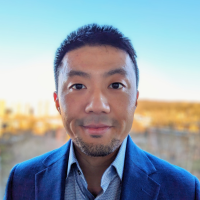
Biography
Prof. Hovy WONG received his PhD from University of Cambridge, where he unravelled the roles of local protein synthesis in neural circuit formation and maintenance. After decades of debates, his work changed the way the field thought about the existence of mRNA translation in the axon/presynapse — the neurotransmitter-releasing half of brain connections. These were made possible with support of Cambridge Trust, Croucher Foundation and Sir Edward Youde Memorial Fund. (Mentor: Christine Holt)
He pursued postdoctoral training at McGill University, funded as Fellow of 4 prestigious agencies including Canadian Institutes of Health Research (CIHR) and Canada First Research Excellence Fund. His work revealed that axonal protein synthesis sustains neurotransmission. Apart from uncovering unappreciated principles for information transfer and memory, it opens new avenues for neuropathology therapies. Selected by Canadian Association for Neuroscience and CIHR, Prof. Wong was winner of the Brain Star Award — the highest national recognition for trainees. (Mentor: Jesper Sjöström)
Beforehand, Prof. Wong spent 7 years in the U.K. for secondary education. He joined The Hong Kong University of Science and Technology for undergraduate and MPhil studies (Mentor: Nancy Ip). He was awarded 16 fellowships, totalling >$6,200,000. The international exposures prepared him to welcome diverse lab members and collaborators.
Hovy WONG
Assistant Professor, School of Biomedical Sciences
Research Interests
- Focus: Brain circuit formation, maintenance, and plasticity, with a strong emphasis on understanding the molecular signalling at connections, known as synapses.
- Why? Synapses are vital for information processing and memory storage, yet we have surprisingly limited understanding of their functioning principles. Synapses are also dysregulation hotspots in neurological disorders and may present viable drug targets.
- What’s new? Synapse has presynaptic transmitting end and postsynaptic receiving end. While the postsynapse has been intensely studied, knowledge of the presynapse lags behind. My work bridges the gap by taking on a combined pre- and postsynaptic focus on neural circuits in health and disease.
Awards
- Improvement on Competitiveness in Hiring New Faculties Funding Scheme; CUHK [PI; 2025-2030] (HK$ 1,500,000)
- Croucher Start-up Grant; Croucher Foundation [PI; 2025-2030] (HK$ 500,000)
- Brain Star Award; Canadian Association for Neuroscience & Canadian Institutes of Health Research Institute of Neurosciences, Mental Health, and Addiction [2024]
- Trainee Professional Development Award; Society for Neuroscience [2022-2023]
- Canadian Institutes of Health Research Fellowship [2021-2024] (HK$ 810,000)
- Quebec Bio-Imaging Network Scholarship [2021-2022] (HK$ 48,000)
- Fonds de recherche du Québec – Santé Postdoctoral Fellowship [2019-2021; Ranked 1st] (HK$ 630,000)
- Healthy Brains for Healthy Lives Postdoctoral Fellowship; Canada First Research Excellence Fund & McGill University [2018-2020] (HK$ 720,000)
Selected publications
-
- Wong HH#, Watt A, Sjöström PJ#. Laser microsurgery for presynaptic interrogation. Nature Protocols. 2025 Feb 7.
- Chou CYC, Wong HH, Guo C, Boukoulou K, Huang C, Jannat J, Klimenko T, Li V, Liang T, Wu V, Sjöström PJ (2025). Principles of visual cortex excitatory microcircuit organization. The Innovation 6(1)
- Wong HH#, Watt A, Sjöström PJ# (2024). Synapse-specific burst coding sustained by local axonal translation. Neuron 112(2)
- Cagnetta R, Wong HH, Frese CK, Mallucci G, Krijgsveld J, Holt CE (2019). Noncanonical modulation of eIF2 pathway controls an increase in local translation during neural wiring. Molecular Cell 73(3)
- Wong HH, Lin JQ*, Ströhl F*, Roque CG, Cioni, JM, Cagnetta R, Turner-Bridger B, Laine R, Harris WA, Kaminski CF, Holt CE (2017). RNA docking and local translation regulate site-specific axon remodelling in vivo. Neuron 95(4)
* Equal contributions, # Co-corresponding authors


